First, these tactics do not appear to be effective as the police’s intense efforts typically fail to affect drug availability or price. Targeted venues either moved to other locations or reopened shortly after they had temporarily closed. This displacement of drug markets is also likely to happen on cryptomarkets as the cryptomarket ecosystem is remarkably resilient to law enforcement takedowns (Décary-Hétu & Giommoni, 2017; ElBahrawy et al., 2020). Second, hot spot and zero tolerance policing can lead to riskier behavior by those involved in drug dealing and using. For example, heroin dealers might adapt to the increased police presence by storing and distributing heroin caps orally (Spicer, 2021), and users may engage in riskier practices such as sharing of syringes (Bourgois & Schonberg, 2009). Similarly, disrupting cryptomarkets that are mostly involved in the selling of cannabis products can lead to adaptations that lead buyers and users to more dangerous online behaviors or more dangerous drugs.
Online Pharmacy Market Valuation – 2024-2031
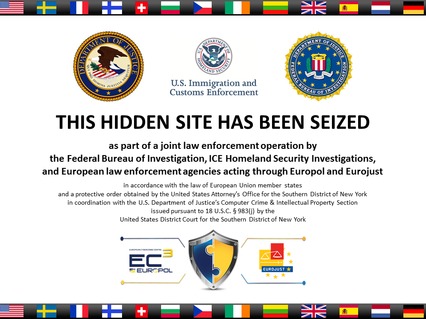
Interventions to reduce both supply and demand for drugs have been gathering pace on the ‘surface web’ (e.g. online information campaigns)(4). Health and law enforcement professionals are also seizing opportunities on the ‘deep web’. The report describes the growing interest in the provision of health-related interventions to ‘dark net’ users (5). Law enforcement agencies are also building up experience in the area of monitoring online drug markets and are tackling supply by disrupting markets, reducing trust around anonymity and prosecuting ‘cryptomarket’ sellers (6). Assuming there was an increased use of online drug markets, the question remains why this happened during the pandemic.
Online Pharmacy Market Share
For as many people who believe this is something of a utopian development, you can be sure many more view it as dystopian—especially if the dealers are in fact scammers or selling dodgy goods. Further, this scoping review also shows that only a handful of studies on the topic were longitudinal. Future studies with longitudinal designs should examine trends in the nature and usage of IOPs as well as the long-term impacts of IOPs on patients and public health. Several IOPs operate multiple websites, often from undisclosed locations, and some are controlled by organized criminal networks 8. In fact, pharmaceutical and over-the-counter drug counterfeiting and online distribution are now the largest form of organized crime and represent USD 75 billion annually 9. Given the relatively low cost of additional web addresses, IOPs may easily proliferate their operations across multiple websites, often hosted outside the reach of U.S. authorities, making it difficult to enforce regulations.
Drug trafficking is a highly profitable commercial activity and remains a core business for organised crime groups across Europe today. Understanding the reality of the European drug market requires a holistic approach, following the supply chain from production and trafficking to distribution and sales. Competitive levers increasingly revolve around last-mile velocity, transparent net pricing, and algorithmic personalization.
Europol-coordinated Global Operation Takes Down Pro-Russian Cybercrime Network
North America currently holds a significant share of the global market, driven by the advanced healthcare infrastructure, high digital literacy, and widespread internet penetration. The region is expected to maintain steady growth, with a focus on integrating telehealth services and expanding the range of health and wellness products available online. The United States, in particular, represents a major market, with a robust regulatory framework supporting the growth of online pharmacies.
How Did The Prescription Drugs Segment Dominate The Market In 2024?
With increasing digital literacy and enhanced mobile internet penetration, the percentage of consumers using mobile platforms to address healthcare needs is rising. The demand for over-the-counter pharmaceuticals rises as the frequency of minor diseases like the flu, fever, backaches, coughs, and colds rises. Additionally, it is anticipated that the e-pharmacy industry in North America, particularly the United States, would be driven by the convenience of ordering medications from the comfort of home. The market’s expansion in North America is also anticipated to be fueled by the high concentration of market participants and the use of cutting-edge technology by major companies to enhance the experience of customers making online drug purchases.
Advocates Of Dark Web Drug Sales & Ulbricht

Some focus on underserved therapeutic areas such as sexual health, pairing teleconsults with discreet shipping. Others bundle at-home diagnostics with same-day prescription delivery, positioning themselves as 360-degree condition-management portals. These asset-light models can pivot quickly, but payer alignment remains a critical hurdle without proprietary PBM backing. Cross-device cart sync ensures a price check on a phone can end in payment on a laptop without data loss, paring drop-offs. Native app engagement also supplies granular telemetry, enabling precision offers that drive incremental OTC add-ons. Smaller challengers lacking this integration struggle to match conversion funnels, widening capability gaps and reinforcing incumbent scale advantages within the E-pharmacy market.
These goods are easily available for consumers to view and buy, frequently with the choice of home delivery. Moreover, to obtain the best deals and savings, customers may compare costs for OTC cold and flu treatments from different online pharmacies. With the increased use of smartphones and the internet, customers now have better access to online pharmacy services. Utilizing simple-to-use websites and mobile applications, people can explore and buy drugs quickly and easily. According to secondary sources, the number of smartphones in use is predicted to rise in the upcoming years, surpassing 7 billion in 2024 and then reaching 7.5 billion by 2026.
Table Of Contents For E-pharmacy Industry Report
- This came with a rash of orders from apparent newcomers with no knowledge of essential darkweb software such as PGP encryption.
- Notably, the 2023 Index also reveals a ‘strong and statistically significant’ correlation between the synthetic drugs trade and cyber-dependent crimes.
- Europol noted that the prevailing instability created a volatile environment for criminal activities across the supply chain (EMCDDA-Europol, 2020).
- One reason for the lack of clarity over the impact of the COVID-19 pandemic is the sheer dearth of empirical data on cryptomarket participants.
- The departure of market leaders such as Solaris Market — which ceased operations in autumn 2024 — is a rare occurrence.
The shift to digital markets has also reshaped the way illicit substances are bought, sold and distributed. Online platforms, for example, encourage bulk purchasing, setting them apart from offline markets, where such transactions are difficult to coordinate and easier to detect. Darknet vendors are also becoming more sophisticated, with large sellers offering a wider range of products and focusing on high value transactions. Data from the United Nations Office on Drugs and Crime shows that while the number of marketplaces is decreasing, the average transaction size is rising, indicating growing wholesale activity. According to the study, most darknet sales in 2023 fell into the ‘large retail’ category (US$100–US$499), at 37.8%, followed by ‘potential wholesale’ purchases (over US$1 000) at 31.9%. ‘Small retail’ sales accounted for just 18.9%, with ‘social supply’ making up the remaining 11.4%.
For instance, CVS Health recorded a 1,000% increase in the sales of online prescription drugs during the pandemic. In May, the EMCDDA reported that drug supplies had stayed steady across the continent, and that the market remained profitable. “The pandemic has had a major impact on our lives and is slowing down our economy,” Europol chief Catherine De Bolle said in the EMCDDA’s latest joint report on the drug market.
Cardiovascular drugs occupy the next slot and benefit from widespread hypertension screenings funneled through telehealth channels. Respiratory treatments, notably controller inhalers for asthma and COPD, rank third, with app-based puff reminders lowering rescue inhaler dependence and promoting refill accuracy. The product segment provides information about the market share of each product and the respective CAGR during the forecast period.
The market is anticipated to grow at a steady pace owing to the supportive regulatory changes and the growing chronic disease prevalence, making online pharmacy a critical pillar in the future of healthcare delivery. Europe online pharmacy market growth is estimated to exhibit a CAGR of 17.39% over the forecast period. In some European countries, spending on healthcare is increasing because capital allocation accounts for a high proportion of national financial budgets. Factors contributing to this include the higher prevalence of chronic diseases and an aging population. In response to such a scenario, an increasing GDP is devoted to health in developing European countries.
Although it is estimated that most illicit drug transactions are still played out offline, online drug markets have the potential to transform drug sales in the future, in the same way as online shopping has revolutionised the retail experience. According to the report, a wide range of factors appear to be driving developments in internet drug markets ‘mostly linked to technology, globalisation and market innovation’. Finally, as noted previously, the apparent increase in online drug sales during the pandemic was primarily driven by online cannabis sales. It is possible this market adjustment was due to those who typically buy larger quantities for resale limited their purchases while casual users increased their purchases.