
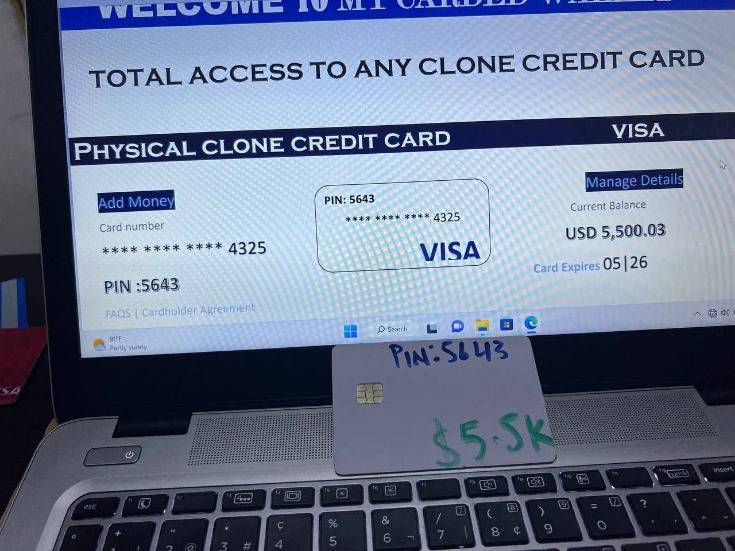
Credit card details can be sold as digital items on the dark web, with the basics costing around $17.36. Physical cards, on the other hand, are cloned from stolen online details and can be used to withdraw cash from ATMs. These checkers are often offered and sold on the dark web, and are complimentary tools that individuals and organizations use to verify credit card information.
Simultaneously, customers face the risks of identity theft, damaged credit scores, and the emotional toll of financial fraud. For example, hackers may sell credit card information in bulk, allowing others to commit fraud and financial theft. These findings seem to confirm prevailing hypotheses regarding the location of large-scale hacking operations and the purposeful targeting of Anglo-European countries. If you’re connected to a public WiFi network, avoid making any purchases online while you’re connected to the network as this could place your financial data at risk. Instead, wait to make an online purchase until you’re on your home’s WiFi network.
After hackers collect this info, they post it to one of the dark web marketplaces where it can be sold. The leaked data from the BriansClub hack showed that stolen cards from U.S. residents made criminals about $13 to $17 each, while those outside the U.S. sold for up to $35.70, Krebs reported. When hundreds or thousands are bought at once, that becomes a lucrative crime. As B1ack’s Stash prepares to release its trove of stolen credit cards, law enforcement agencies and cybersecurity firms are working around the clock to trace the origins of these breaches and prevent further exploitation. The cybersecurity community is on high alert as B1ack’s Stash, a known marketplace on the dark web, has announced a massive leak of 4 million stolen credit card details. It is understood that the data included such highly sensitive information as the primary account number of the credit cards concerned, along with expiration dates and the card verification value, CVV2, security code.
Whether you’re shopping online or grabbing a coffee at your favorite spot, understanding how thieves operate can help you take the necessary precautions to protect your money—and your identity. A dark web carding market named ‘BidenCash’ has released a massive dump of 1,221,551 credit cards to promote their marketplace, allowing anyone to download them for free to conduct financial fraud. OK, so I’m taking liberties with the lyrics of Roger Miller’s sixties classic, King of the Road, in this sub-heading, but the sentiment is spot on. Threat actors want your passwords to facilitate everything from ransomware to spyware attacks. The latest threat intelligence analysis, however, suggests those numbers are low.
Some buyers may even use the stolen information to create fake credit cards, which can be used for even more nefarious purposes. This article explains how attackers obtain financial data, what happens to stolen data, and how do criminals sell stolen credit card details on the dark web. The repercussions of dark web credit card marketplaces, including the rise and fall of Joker’s Stash, extend beyond monetary losses. Financial institutions shoulder increased operational costs tied to investigating fraudulent activities and failed authentication attempts. Customers who lose their card data to fraud may turn to a different card while waiting for a replacement card, threatening the top-card effect of passing all spending across one preferred card. In some markets, like the US market, those interchange fee revenues can approach 3% of all transactions.
Which Darknet Market Is Safe
Or they’ll commit “card-not-present fraud,” by hacking a website and stealing the online card information that gets entered into the checkout page. By offering free access to such a vast amount of stolen data, the operators aim to build credibility among cybercriminals and entice them to purchase premium services or datasets from their platforms. The stolen data reportedly includes a mix of credit and debit cards from major providers like Visa, MasterCard, American Express, and JCB. The use of JavaScript-sniffers, also known as Magecart, has led to a significant increase in stolen payment card data. Canceling your credit card is a bit more complex, but you can start by contacting your bank or credit card issuer to report the card as stolen.
What To Do If Your Credit Card Information Is Stolen
Stolen credit card details can be categorized into different types, making it easier for cybercriminals to exploit them. These stats highlight the scale of credit card fraud on dark web markets. The illegal carding market, which can be accessed through the dark web, went live during June, 2022.
- If you suspect your card details have been stolen, you should immediately call your bank or credit card company.
- If cybercriminals manage to link your credit card number with other personal data, such as your name, address, or Social Security number, they can build a complete identity profile.
- A hacked Netflix 1-year subscription retails at $25; an HBO account is $4, a Bet365 account is $40, and a hacked Uber account will set a cybercriminal back $15.
- “Collecting and storing personal information that is not reasonably necessary to your business breaches privacy and creates risk,” she said.
- If the company you’re buying from doesn’t have your sensitive card information, neither will hackers that hit that merchant with a data breach.
Your lender or insurer may use a different FICO® Score than FICO® Score 8, or another type of credit score altogether. The Experian Smart Money™ Debit Card is issued by Community Federal Savings Bank (CFSB), pursuant to a license from Mastercard International. Ben Luthi has worked in financial planning, banking and auto finance, and writes about all aspects of money. His work has appeared in Time, Success, USA Today, Credit Karma, NerdWallet, Wirecutter and more.
Beef Up Your Online Security
They invest massive resources into fraud detection systems, customer service teams dedicated to handling compromised cards, and the logistical nightmare of card reissuance. The data then gets parsed, sorted by bank type and location, and sold in batches. Rather than individual hackers working alone, the reality is that we’re dealing with sophisticated criminal enterprises that function like businesses, complete with customer service and quality guarantees. “The most important thing is for people to keep an eye on their transactions and report any fraud immediately,” Krebs says. Experts suggest that this giveaway serves as a marketing ploy to attract new users to B1ack’s Stash and establish its dominance in the competitive carding market. Credit card prices also vary depending on the brand, with American Express being worth the most at 5.13 cents per dollar.
India Data Breach: 460,000 Credit Card Details Put Up For Sale On Dark Web
Credit card details of more than a million people have been dumped online as part of a promotion by a scandalous online credit card shop. A Russian-language dark web shop known as BidenCash recently attracted attention from cybersecurity researchers by posting a leak — for free — of 2 million stolen payment card numbers. Complete carding frameworks are sold on underground forums, while configuration files (like the one analyzed) are often shared in private Telegram channels, democratizing fraud capabilities among less technical criminals. It is crucial for individuals to understand the link between credit cards and the Dark Web and take necessary precautions to protect their financial information. Malware can be installed on your device through suspicious downloads, pop-ups, or phishing scams. Once installed, this software can track your keystrokes or gain access to your saved credit card information.
Top Strategies For Risk-Based Transaction Monitoring
It’s important to detect fraud when a threat actor is trying to use stolen payment information to make a purchase from your business. Tools like an Address Verification Service (AVS) can help detect fraud in online purchases by comparing a customer’s billing address with the address on file with the issuing bank. Flare’s Dark Web Monitoring platform monitors dozens of .onion sites for credit card fraud, BINS and other financial fraud related data.
How War Impacts Cyber Insurance
Protecting your personal information is vital when it comes to guarding against credit card fraud on the Dark Web. Start by regularly updating your passwords for online accounts and using strong, unique combinations that include a mix of letters, numbers, and special characters. The credit card details of millions of people are being sold to criminals on the dark web for an average of less than £8 ($10.60) each. In the past year, the dark web data market grew larger in total volume and product variety, so as supply grew, most prices plummeted, according to Zoltan. The review revealed sales volumes on the dark web data market in 2021 was way up.
Things To Know About Defending Against Phishing Kits (as Shown By John Hammond)
The majority of those cards, 53% to be exact, were from American Express. Gizmodo reached out to the bank to ask whether those cards have been terminated and if any had been used for fraudulent transactions since the card numbers were released, but we did not immediately hear back. Other card issuers included the likes of Wells Fargo Bank, U.S. Bank, and Bank of America.
Dark web credit card fraud poses serious risks to consumers and businesses alike. While online shopping poses risks, using secure websites, enabling two-factor authentication, and monitoring accounts can significantly reduce the chances of fraud. Conducting transactions online while connected to an unsecured WiFi network places your financial data at risk of being stolen due to MITM attacks. It’s best to avoid conducting transactions while connected to an unsecured network.
Once obtained, these stolen credit cards are quickly sold on the dark web, where they can be used for fraudulent transactions or identity theft. Protecting your credit card information is crucial to avoid financial loss and potential legal troubles. By regularly monitoring your credit, using secure payment methods, and being cautious online, you can minimize the risk of your credit card falling into the wrong hands. The dark web has become a hub for credit card fraud, making it a significant concern for both individuals and businesses. Criminals can easily sell stolen credit card information to other malicious actors on the dark web, leading to potential financial devastation for victims.