
To refresh our memory, let’s play a game of “Alternative Basketball” (Figure 2). On the Self team, alternative pathway complement activation is the “offense”, alternative pathway complement regulation is the “defense”, and formation of C3 convertase is the “basket”. Only 21 (36%) of the 58 patients in the Oklahoma Registry who had been previously categorized as drug-induced had evidence supporting a definite association with TMA.
Thrombotic Microangiopathy (TMA) Region
In contrast to TTP, in pregnancy, aHUS tends to occur in the postpartum period. Following initial presentation patients require regular monitoring of ADAMTS13 activity as well as intermittent treatment such as rituximab to reduce the risk of relapse. Standard immunosuppression is daily prednisolone or pulsed methylprednisolone. Rituximab, a monoclonal antibody directed against the B‐lymphocyte CD20 antigen, is used in aTTP as an additional first line treatment, in refractory cases of TTP and/or to reduce the likelihood of relapse once in remission.
3 Complement Genetic Variants In DITMA
Immune-mediated drug-induced TMA is due to an antibody (Ab) formation against a drug or its metabolite. This team’s MVP, quinine, an alkaloid derived from the bark of cinchona trees, can stimulate Ab cross-reactive with platelets. Ever since its fall from grace for dabbing in drug induced-TMA, some US nephrologists are nostalgic for the days when this antimalarial agent was used as a remedy for leg cramps. Quinine is responsible for the flavor of gin and tonic and for the fluorescence of glow-in-the dark jello shots. Multiple other medications like trimethoprim, ciprofloxacin, metronidazole, and quetiapine can play this game. Two C5 inhibitors, eculizumab and ravulizumab, administered as infusions, have greatly improved disease outcomes with extensive clinical trial- and real-world-evidence of efficacy and safety.
The first line therapy consists of supportive measures, that may include discontinuing or reducing doses of CNI and mTORI, treatment of co-existing conditions (e.g., infections and GVHD), and tight control of HTN. Other nephrotoxins should be avoided any time close to the conditioning regimen 88, and platelet and RBC transfusion could be indicated 8. To add complexity to this issue beyond complement activation, Gavriilaki et al. recently suggested that neutrophil and coagulation cascade activation could also be of importance in HSCT-TMA pathophysiology 106. HSCT-TMA pathophysiology is complex and not fully understood, but endothelial dysfunction is probably independent of ADAMTS-13 activity 8,89,93. Several TKIs are related to DiTMA, but the majority of case reports refer to sunitinib, a multitargeted TKI that inhibits VEGFr.
Chemotherapy
This patient was also tested for quinine-dependent, platelet-reactive antibodies, since quinine may be used to dilute cocaine. In conclusion, the efficacy of eculizumab treatment in DITMA needs to be clarified with further prospective studies, with homogeneous timing of eculizumab infusion and selection of patients with similar clinical and prognostic features. By getting a proper diagnosis and prompt treatment, this uncommon blood disorder is often treatable. Ongoing monitoring after treatment is usually necessary; it’s an important step in keeping TMA from returning and causing further problems.
Drug-induced TMA has been reported with antineoplastic agents including gemcitabine, docetaxel, and doxorubicin 5, 6, 7. Direct cytotoxic and immune-mediated endothelial damage have been proposed as underlying pathologies 5. While immune-mediated damage generally shows acute onset within 2 – 3 weeks of drug exposure, the clinical manifestation of cytotoxic damage is either acute or slowly progressive with cumulative dose-dependent toxicity 5, 8, 9. Distinguishing cancer-related TMA as a consequence of cancer itself from cases of chemotherapy-induced TMA can be challenging. However, metastatic disease is more common in cancer-related TMA, whereas in chemotherapy-induced TMA, little or no active malignancy is detectable 10.
ADAMTS13 Tests
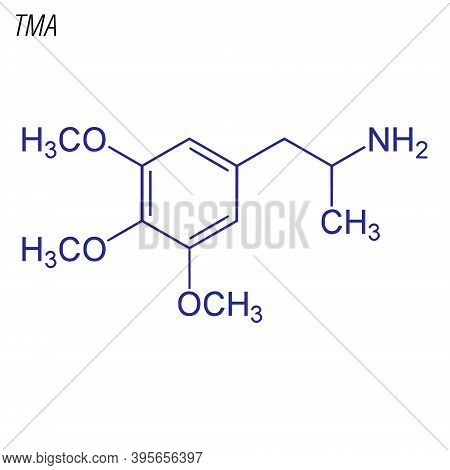
Although their physical health risks and toxic doses in humans have never been clarified, mental health risks are assumed to be similar to those of other hallucinogens. TMA-2, the geometric isomer of TMA-1, was first synthesized in 1933, and its psychotomimetic properties were first reported by Shulgin in 1964. This was thus called TMA-2 as the second of the six possible positional isomers found to be psychotomimetic.
- Cancer-related TMA may develop from a cancer itself or from treatment — particularly chemotherapy drugs, such as mitomycin C.
- Teresa Chuva is a Nephrology Physician Assistant, working at Portuguese Oncology Institute of Porto since her early residency in Nephrology.
- A French case series reported mild to severe acute tubular necrosis 65 in some patients, in addition to TMA, suggesting a common pathological pathway triggered by VEGF inhibition.
- Narsoplimab was planned for intravenous infusion at a dose of 4 mg/kg twice weekly in both adult and pediatric patients for at least 8 doses, on the basis of evidence that this dosage provided well greater than 80% inhibition of the lectin pathway 24.
- Blood pressure control is essential and renin-angiotensin system blockers are preferred, since VEGF inhibition induces renin secretion through tissue ischemia 64,67.
Quinine-dependent antibodies reactive with platelets or other cells were reported for 24 of these 34 patients; drug-dependent antibodies were not reported for any other drug. For DITP, the target condition is defined simply by a platelet count less than 100,000/µL. In contrast, the clinical and pathologic features of TMA occur in multiple distinct complex disorders, making evaluation of a suspected drug etiology is more difficult. Also DITP typically refers only to immune-mediated adverse drug reactions;(11) patients with thrombocytopenia caused by marrow suppressive drugs are typically not considered in descriptions of DITP. In contrast, the typical pathologic features of TMA can be caused by dose-dependent toxic adverse drug reactions, as well as by immune-mediated reactions, and these patients are included in descriptions of DITMA.
Patients’ Characteristics And Diagnosis
There are some case reports with the use of rituximab (an anti-CD20 monoclonal antibody), and a few studies about complement inhibition (such as eculizumab, a monoclonal antibody against complement factor C5) in specific situations 6, 11, 12, 13. There were no group data reports describing definite evidence for a causal association with TMA. Once STEC is in the intestines, it attaches to the epithelium where it produces Shiga toxin which translocates through to the blood stream.
Drug withdrawal and supportive care are the only therapeutic approaches available. The response to plasmapheresis is poor, and red blood cells (RBC) transfusions could exacerbate TMA 21,23. Some reports suggest improvement in survival and kidney function with rituximab 24,27 and eculizumab 28,29.

Avoid Blood Products (other Than Fresh Frozen Plasma)
- Cisplatin-induced TMA is rare, but it has been described in several case reports, alone or in association with other chemotherapeutic agents 41, 42, 43.
- Gemcitabine was discontinued, and the patient underwent a kidney biopsy.
- She was not tested for pentostatin-dependent, platelet-reactive antibodies.
- Attempts at classification of different TMA forms are complex and in continuous evolution.
- The drugs reported as causative of TMA are heterogeneous in terms of mechanism of action.
Not included in this study were the 12 patients who were enrolled at the time of a recurrent episode of TTP. These patients are not in our cohort of consecutive patients; none were suspected to have a drug-induced etiology; all had acquired TTP with severe ADAMTS13 deficiency. The Registry is approved by the Institutional Review Boards of the University of Oklahoma Health Sciences Center and all participating community hospitals. Typically, proper management of DITMA mainly involves withdrawal of the suspected causative drug and supportive care.
Here we describe a retrospective series of pediatric and adult patients with severe TA-TMA treated with narsoplimab under a compassionate use program made available based on the results of the recently published pivotal trial. Several diagnostic criteria have been proposed including the presence of anemia, thrombocytopenia, elevated lactate dehydrogenase (LDH), and schistocytes 1, 4,5,6. The lack of harmonization in the diagnostic criteria has precluded multi-institutional studies aimed at better understanding the incidence of TA-TMA.
Mobile Raman Spectrometer For Real-time Data Analysis On Site
Recognition of DITMA and documentation of the drug etiology are essential for patient safety. Among the 21 patients with evidence supporting a definite association of TMA with the suspected drug, 20 (95%) were women; all were white. In phase 1 study, moxetumomab pasudotox, an anti-CD22 immunotoxin used in the treatment of childhood acute lymphoblastic leukemia, caused TMA in 13% of patients.
Drugs Reported To Have A Definite Causal Association With TMA In 177 Individual Patient Reports

We searched 12 databases to identify English-language reports of patient data that described TTP, HUS, or TMA attributed to a drug or other substance (supplemental Table 1, see supplemental Data available at the Blood Web site). Articles were selected for review if their title or abstract suggested that they reported individual patient or group data on patients with a diagnosis of TTP, HUS, or TMA and a suspected drug etiology. All articles were reviewed independently by 2 or 3 of the authors (Z.L.A.-N., J.A.R., J.N.G.). Although confounded by their non‐prospective basis and likely clinical selection bias, analysis of these reports has suggested an intermittent disease driven regime is possible at least in some patients. It is interesting to note that relapse was almost exclusively seen in those with a pathogenic mutations, although conversely not all individuals with mutations relapsed. Glucose-6-phosphate dehydrogenase (G6PD) deficiency is an X-linked recessive condition that occurs due to mutations in G6PD, and is another TMA mimic.

Data Sources, Search Strategies, Article Selection, And Review
There are a few therapeutic options, with support therapy and drug withdrawal being the most widely accepted. The 43 evaluable articles reporting group data described 46 patient groups with TMA attributed to 12 drugs, including 3 drugs which were not described in the reports of individual patients. One of the 12 drugs, cyclosporine, accounted for 20 of the 46 patient groups (43%). The mechanism by which human immunodeficiency virus (HIV) causes aHUS is unclear but is thought to be due to endothelial damage. The incidence of TMA in patients with HIV has reduced significantly since the application of highly active antiretroviral therapy and is now ~0.3%.72 Treatment is supportive with optimisation of antiretroviral therapy. Treatment is supportive (dialysis, red cell transfusion) and treatment of the underlying infection.