Key factors that are driving the market growth include the rising prevalence of chronic diseases, high utilization of prescription drugs, and the increasing elderly population in the country. Based on product type, the market is segmented into generics, orphan, and other prescription drugs. A number of new drugs launched every year fall under several categories, such as biologics, and often do not have generic equivalents of them launched in the near future. Moreover, the rising number of drugs prescribed by healthcare professionals for the treatment of chronic conditions, such as cancer, diabetes, and others, across the globe further augments the segment share. Prescription drugs comprise various types of vaccines and therapies for the treatment and management of chronic and acute diseases.
Market Share Of The Leading Global Pharmaceutical Markets 2024
China, India, and Japan lead the market, supported by local manufacturing capabilities and expanding clinical research. Hospital pharmacies dominate the distribution landscape, with retail pharmacies playing a growing role in chronic disease management. The pharmaceutical market in Germany is a key country in Europe’s pharmaceutical market, supported by advanced manufacturing capabilities and significant investments in biopharma research. The market is driven by demand for therapies targeting metabolic disorders, oncology, and cardiovascular diseases. Hospital pharmacies hold a substantial share of the distribution segment, with increasing penetration of retail pharmacies improving patient access to medications.
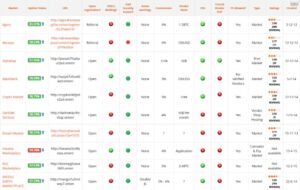
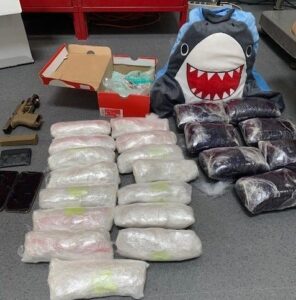
Most jurisdictions prohibit trade, except under license, of many types of drugs through the use of drug prohibition laws. Consumption of illegal drugs is widespread globally, and it remains very difficult for local authorities to reduce the rates of drug consumption. If not for the attention fentanyl has understandably drawn, the methamphetamine crisis would be a larger national concern, with over 12,000 deaths in 2021 (comparable to total overdoses from all drugs in 2000), not including another 20,000 that also include fentanyl. This is despite regulatory efforts to curb methamphetamine’s production and distribution, which seemed to disrupt the market in the short term but may have spurred innovation in meth production.
LIST OF KEY COMPANIES PROFILED:

He estimates two reasonable specifications, one that controls for a linear time trend and one that controls for linear, quadratic, and cubic time trends. As shown below in Table 2-1, elasticity estimates are markedly different and the pattern is inconsistent across drugs and methods. The inconsistent estimates in Table 2-1 demonstrate that in many cases, econometric analysis of aggregate data will not yield useful information about the price elasticity of the demand for illegal drugs. Even when this model is not explicitly used, this fundamental insight of the supply-and-demand model is commonly recognized. For example, when drug prices have remained constant or have fallen during a period of increased antidrug efforts, many observers conclude that the war on drugs has failed (e.g., Walsh, 2008).
Report Scope & Segmentation
- I wish to appreciate your support and the professionalism you displayed in the course of attending to my request for information regarding to infectious disease IVD market in Nigeria.
- Quantities of the drug were then smuggled throughout the US.55 The international drug trade created political ties between the involved countries, encouraging the governments of the countries involved to collaborate and instate common policies to eradicate drug cartels.
- Despite this, branded pharmaceuticals maintain a strong position due to innovation, brand loyalty, and superior efficacy in many cases.
- Advancements in biotechnology, RNAi-based therapeutics, and monoclonal antibody development are driving innovation.
- Similar to the overall small molecule drug and biological productmarkets, we saw that in the specialty market, there was more competitionamong small molecule drugs than among biological products.
- We strive to equip businesses with reliable data, analysis, and insights to drive growth, make informed decisions, and stay ahead of market trends.
This initiative aligns with efforts to bolster domestic production, improve national security, and ensure consistent access to essential medicines. With over 10,000 generic drugs approved by the FDA, generics have proven their value by accounting for more than 90% of dispensed prescriptions in the U.S. while representing only 18% of overall spending. Firstly, the expiration of patents on brand-name drugs creates an opportunity for generic drug manufacturers to enter the market and offer more affordable alteatives. This helps to increase competition and drive down drug prices, making healthcare more accessible to a larger population. As reported by ASPE, between 2016 and 2021, there was a consistent decrease in retail generic drug expenditures, while non-retail generic drug expenditures showed a steady rise.
Increasing Investment In Biopharmaceutical Research And Development
In the U.S., despite accounting for only 3% of total healthcare spending, they offer significant cost savings compared to brand-name drugs. These figures highlight the affordability and cost-effectiveness of generic drugs, making them an important component of healthcare cost management. MS-13 and the 18th Street gang are notorious for their contributions and influence over drug trafficking throughout Latin America. MS-13 has controlled much of the activity in the drug trade spanning from Mexico to Panama.79 Female involvement is present in the Mexican drug culture. Although females are not treated as equals to males, they typically hold more power than their culture allows and acquire some independence. The increase in power has attracted females from higher social classes.80 Financial gain has also prompted women to become involved in the illegal drug market.
Illegal Drug Trade
Prescription drugs play a vital role in modern healthcare, providing effective treatments for a wide range of medical conditions. The U.S. pharmacy market is expected to grow at a compound annual growth rate of 3.67% from 2023 to 2030 to reach USD 708.9 billion by 2030. Market players adopt this strategy to expand the outreach of their service in the market and increase the availability of their service in diverse geographical areas. In addition, hospital and corporation chains are also providing quality care while implementing innovative technologies such as automated medication dispensing systems, electronic health records, and digital pharmacies. These technologies are expected to further drive the growth of the segment by improving efficiency and accuracy while reducing costs. According to a report by the Assistant Secretary for Planning and Evaluation (ASPE), there has been a change in the location where Americans receive their drugs.
It is estimated that more than 89% of Americans live within 5 miles of a community pharmacy. Retail pharmacies offer several facilities, such as special discounts and same-day home delivery, augmenting the segment’s growth. When a drug loses its patent protection and exclusivity, it creates opportunities for generic drug manufacturers to enter the market and produce their versions of the drug. This promotes competition and helps drive down drug prices, making medications more affordable for patients. In addition, Off-patent, off-exclusivity drugs are typically priced lower than their brand-name counterparts.

Molecule Insights
Furthermore, supportive govement programs such as Medicare and Medicaid are majorly influencing healthcare expenses, contributing to a rise in demand for drugs. In the US, branded drugs hold the largest revenue share of the market, whereas generic drugs are predicted to grow fastest in the upcoming years. Recently, breakthroughs in technologies of drug delivery systems, including AI-powered and automated, are significantly impacting, along with the raised demand for specific drugs in oncology and autoimmune sectors, are propelling the growth of the market. The adults segment dominated the peptide drug conjugates market with a revenue share of 63.84% in 2024 due to the high prevalence of chronic diseases, lifestyle-related conditions, and increased healthcare awareness in this age group. Factors such as rising demand for preventive care, early diagnosis, and advanced treatments drive market growth among adults.
Prescription Drug Statistics – Usage
- Governments and regulatory bodies have established several policies promoting the use of generic drugs.
- These disorders include types of cancer, cardiovascular diseases, diabetes, and also orphan disease.
- Parallel to the shift in product focus, a technological revolution is underway that is transforming how generic drugs are developed and produced.
- They suggest that this is in effect a tournament compensation system, in which low-level dealers earn relatively low wages in return for the prospect of advancement.
- The increasing population is also expected to aid the growth of the vaccines segment due to the increasing need for timely vaccinations, especially in infants and children.
Totalprescriptions had a similar percentage point increase, from 8.019billion in 2017 to 9.315 billion in 2022 (a 16.2 percent increase). Theincrease in total expenditures was driven by a 54.6 percent increase inexpenditures on biological products, from $163 billion in 2017 to $252billion in 2022. This was despite only a 1.9 percent increase in thenumber of prescriptions, which suggests thatspending per prescription, rather than changes in utilization (i.e., agreater number of prescriptions being filled) was the primary driver ofincreased biological product spending. This pattern is similar to thatfor the broader prescription drug market.9 In contrast, spendingon small molecule drugs remained almost flat during this period, atapproximately $360 billion per year, while the number of prescriptionsincreased 19.2 percent. This indicates that the price per small moleculedrug was dropping during this time period. Overall, the share of totalexpenditures on small molecule drugs decreased from 69 percent in 2017to 59 percent in 2022, with a corresponding increase in the share ofexpenditures on biological products.
Complex Generics: The New Competitive Battleground

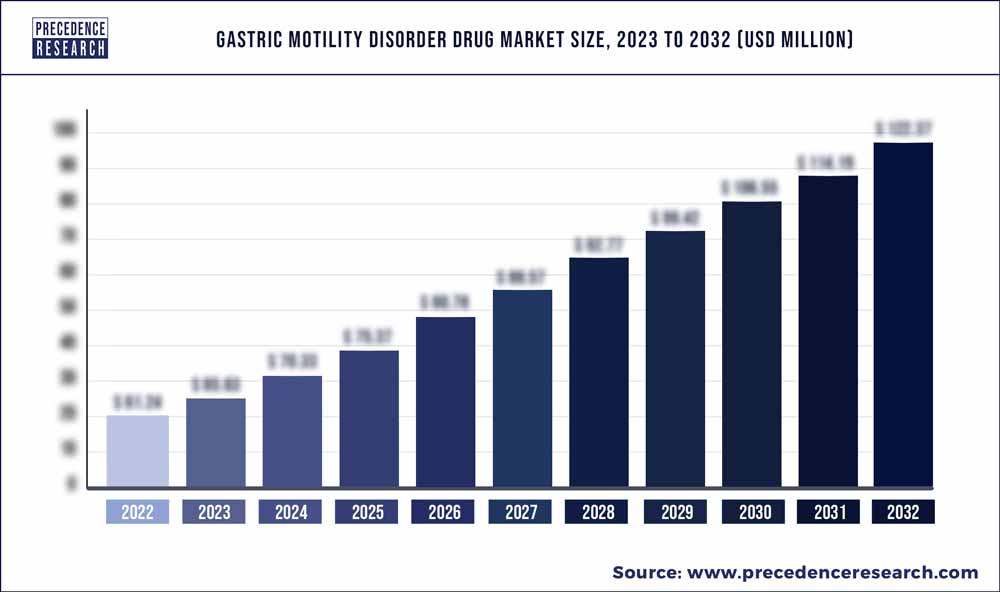
A notable advancement is the continued progression in immuno-oncology treatments, which are redefining cancer care. The global pharmaceutical market size was estimated at USD 1,645.75 billion in 2024 and is projected to reach USD 2,350.43 billion by 2030, growing at a CAGR of 6.12% from 2025 to 2030. The market is driven by rising chronic disease prevalence, aging populations, and increased healthcare spending. PresidentBiden’s Executive Order 14036, “Promoting Competition in theAmerican Economy” identified a lack of competition as a key driverfor problems across economic sectors. By incentivizing competition, it ispossible to foster innovation and improve the stability of a market, in turnincreasing access and affordability of products.
The increasing population is also expected to aid the growth of the vaccines segment due to the increasing need for timely vaccinations, especially in infants and children. This, along with the increasing number of these drugs being introduced by market players, is further augmenting the demand for these drugs. An in-depth exploration of the global healthcare ecosystem with timely research, insightful analysis, and scientific expertise.