To counter this, dark web monitoring has become essential to detect these threats and safeguard digital privacy. The dark web — aka, the deep web — is the second layer of the internet, which is not indexed by search engines. Websites and pages in the deep web might include password-protected content, private forums, and personalized resources.
The dark web is like a hidden alley, accessible only if you know the secret entrance. Because of its extra anonymity, the dark web is a haven for privacy-conscious users, like whistleblowers, activists, investigative journalists, and ordinary people living under repressive regimes. It’s also a playground for cybercriminals, illegal activities, and shady stuff. Ahmia is a search engine for .onion sites — you search for a keyword and Ahmia retrieves relevant results.
Q: What Are The Risks Of The Dark Web?
This technology was instrumental in dismantling the Welcome to Video platform, a dark web site distributing child pornography, where investigators traced payments to arrest over 300 suspects worldwide. While not all activities on the dark web are illegal, it is known for being a hub for illegal activities. These can include the sale of drugs, weapons, stolen data, and hacking services. It is important to note that engaging in illegal activities on the dark web can have serious legal consequences. The dark web significantly influences the cybersecurity landscape, acting as a hub for cybercriminals to exploit vulnerabilities and trade illicit goods. One of its most concerning impacts is the sale of stolen data, including personal information, financial credentials, and intellectual property.
Completing a purchase of illegal drugs, firearms, or stolen data is a clear violation of federal law. Using a website for drug trafficking can lead to sentences of over 20 years in prison. Other actions, like committing wire fraud or cyberstalking under 18 U.S.C. § 2261, also transform a visit into part of a criminal offense. The privacy offered by the Tor browser is important in the current digital age. Corporations and governing bodies alike currently participate in unauthorized surveillance of online activity. Some simply don’t want government agencies or even Internet Service Providers (ISPs) to know what they’re looking at online, while others have little choice.
Invest In A VPN
Curiosity about what the dark web has to offer also drives about one-third of its users. In an era defined by digital connectivity, protecting sensitive, critical and personal information from cyber threats – including those originating from the dark web – is a strategic imperative. A large portion of activities on the dark web involve illegal content, transactions, or services.
CrowdStrike Global Threat Report
Nevertheless, the dark web is home to certain disturbing and illegal content you’ll never find on the surface web. It’s not that you can’t find prohibited content on the surface web – it’s just harder to look for it, as Google or Bing filter the most harmful sites. If you stumble upon any websites that seem illegal, just close the window.
Legal Activities
NordVPN offers a 30-day, no-risk trial subscription when you sign up on this page. This provides a full month’s access to all of the features of the #1 VPN for the Dark Web. This is an excellent way for Dark Web users to provide additional privacy protection when accessing the Dark Web. Social networks, such as Facebook, have created dark web versions of their sites to address privacy problems related to their surface web versions.
ProtonMail — Free & Secure Email Services
- Unlike the surface web, which can be accessed using popular browsers like Chrome or Firefox, the dark web requires special software like Tor.
- You may have heard the term thrown around, sparking curiosity and perhaps even a tinge of fear.
- Accessing blocked content can result in being placed on a watch list or imprisonment.
- On the legitimate side, the dark web provides a platform for whistleblowers, journalists, and activists operating under oppressive regimes.
- That’s “a special-use top level domain suffix designating an anonymous hidden service reachable via the Tor network,” according to Wikipedia.
- The Tor Network provided a way to open safe communication channels for political dissidents, while also offering a channel for American intelligence operatives to communicate from around the globe.
But, of course, exercise caution and stay away from anything illegal. Before you go exploring the dark web, it’s crucial to recognize that it is much more dangerous than the surface web — and not just because of all the illegal activity happening on the dark web. Even if you’re a law-abiding citizen only looking to see what’s in the dark, hidden alleys of the internet, there are many dangers that can befall you. The answer, of course, is by using dark web browsers like the open-source platform Tor. The key takeaway is that the dark web is part of the deep web, but they’re not interchangeable. As for the dark web, it’s intentionally hidden, encrypted, and made anonymous.
With rising online privacy concerns in the current digital age, the Tor network’s anonymity is becoming essential. It is a good way to prevent third parties from tracking online activities. People in countries with heavy internet censorship must get a VPN or Tor browser to access the surface web. Lastly, the dark web is the portion of the deep web that is generally inaccessible and is much larger than the surface web. It relies on P2P connections and requires specialized tools and software. Tor and I2P are the two commonly used tools for accessing the dark web to provide anonymity.

Rely On Secure Browsers (eg, Tor)

Some are looking for illegal stuff they can’t buy elsewhere, like drugs or counterfeit documents. As of 2020, nearly 57% of the dark web was estimated to contain illegal content, including violence and extremist platforms. Some alleged services like the professional “hitmen” may just be scams designed to profit from willing customers. Reports have suggested the dark web offers many illegal services, from paid assassinations to trafficking for sex and weapons. The dark web was once the province of hackers, law enforcement officers, and cybercriminals. However, new technology like encryption and the anonymization browser software, Tor, now makes it possible for anyone to dive dark if they’re interested.
Risks And Challenges Associated With The Dark Web
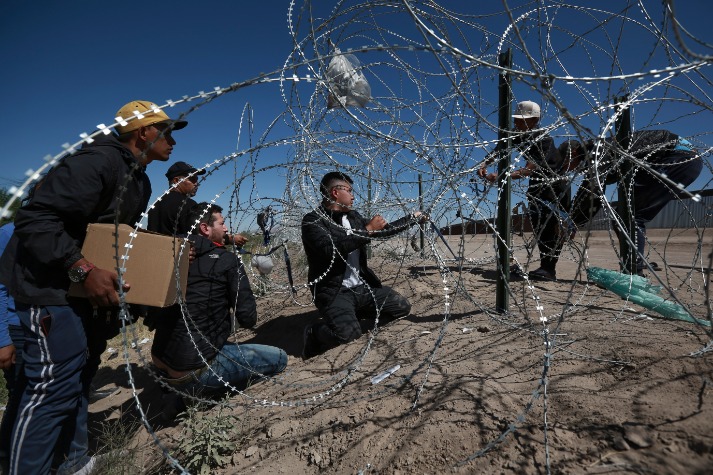
Accessing the dark web is neither inherently illegal nor unethical, but it comes with risks. Cybersecurity vulnerabilities, exposure to illegal content, and potential surveillance are significant concerns for users. Businesses should consider cybersecurity risk assessment and security gap analysis to safeguard sensitive information from being traded on the dark web.
Marketplaces
- Tor allows the creation of hidden services, websites that use the Tor network to hide their physical location.
- As I’ve mentioned, the dark web isn’t just a place of eternal torment, teeming with drug dealers, human traffickers, and a hitman.
- While they might sound the same, these websites are fundamentally different.
- This dark web monitoring will help you track illicit activities and minimize the risks of cyber-attacks.
- “This powerful combination of AI and automation renders many traditional defenses obsolete, sidestepping conventional protective measures like rate-limiting,” Hummel says.
This part of the internet also uses advanced encryption, which helps both those visiting and hosting sites to stay anonymous. If that name sounds sinister, it’s because the dark web encourages activity that people would rather hide from view. It’s also dotted with sites that specialize in illicit pornography, including child pornography. It’s a part of the internet that you can’t find with traditional search engines such as Google. The Surface Web is the portion of the internet that we interact with on a daily basis.
Millions of customers’ personal data, including names, addresses, bank account and credit card account information, and many other forms of sensitive data. Naval Research Laboratory mathematicians and computer scientists in the mid-1990s. The U.S. Army developed “onion routing” to protect intelligence communications online. The users of the dark web are typically aiming to block governments from snooping on them.