Subjects who took the full dose experienced reductions in anxiety averaging 20 per cent while those given the low dose reported becoming more anxious. From the late 1940s through the mid-1970s, extensive research and testing was conducted on LSD. During a 15-year period beginning in 1950, research on LSD and other hallucinogens generated over 1,000 scientific papers, several dozen books, and six international conferences. Film star Cary Grant was one of many men during the 1950s and 1960s who were given LSD in concert with psychotherapy. Many psychiatrists began taking the drug recreationally and sharing it with friends.
Physical effects may occur, including nausea, vomiting, euphoria, muscle weakness or relaxation, drowsiness, and lack of coordination. As of 2014, global treaties listing LSD and psilocybin as “Schedule I” controlled substances continues to inhibit a better understanding of these drugs. Much of the renewed clinical research has been conducted with psilocybin and MDMA in the United States with special permission and breakthrough therapy designations by the FDA, while other studies have investigated the mechanisms and effects of ayahuasca and LSD.323334 MDMA-assisted psychotherapy is being actively researched by MAPS. Studies on medicinal applications of psychedelics ceased entirely in the United States when the Controlled Substances Act was passed in 1970. LSD and many other psychedelics were placed into the most restrictive “Schedule I” category by the United States Drug Enforcement Administration. Schedule I compounds are claimed to possess “a high potential for abuse and the potential to create severe psychological and/or physical dependence” and have “no currently accepted medical use”,28 effectively rendering them illegal to use in the United States for all purposes.
Effects Of LSD

Some notable individuals have commented publicly on their experiences with LSD.308309 Some of these comments date from the era when it was legally available in the US and Europe for non-medical uses, and others pertain to psychiatric treatment in the 1950s and 1960s. Still others describe experiences with illegal LSD, obtained for philosophic, artistic, therapeutic, spiritual, or recreational purposes. There are reports of inanimate objects appearing animated, with static objects seeming to move in additional spatial dimensions.61 The auditory effects of LSD may include echo-like distortions of sounds, and an intensified experience of music. Basic visual effects often resemble phosphenes and can be influenced by concentration, thoughts, emotions, or music.62 Higher doses can lead to more intense sensory perception alterations, including synesthesia, perception of additional dimensions, and temporary dissociation. Amongst other cultural applications, psilocybin mushrooms are used as recreational drugs.2 They may be depicted in Stone Age rock art in Africa and Europe, but are more certainly represented in pre-Columbian sculptures and glyphs seen throughout the Americas.
Ken Kesey And The Electric Kool-Aid Acid Test
Users who get out of control, or who try to harm themselves, should be taken for medical help. During the 1960s and early 1970s, the drug culture adopted LSD as the psychedelic drug of choice, particularly amongst the hippie community. However, LSD dramatically decreased in popularity in the mid-1970s (see above graph which covers the period 1967–2008).

Psychedelic Subculture Goes Mainstream
One possible reason people believe that they had “bad acid” could be because they were simply sold a much higher dose than usual, which is not uncommon due to the inherent lack of quality control of illicit drugs, and with LSD in particular being effective at microgram rather than milligram doses. The stronger the dose, the stronger and potentially more anxiety-provoking the trip can get. But in the case of the “brown acid” it was the liquid the LSD was contained within that had evaporated thus increasing the dose per drop as LSD does not evaporate. Many different names have been proposed over the years for this drug class.
Side Effects
This includes establishing clear protocols for informed consent, ensuring transparency in clinical trial methodologies, implementing stringent ethical standards for therapists, and conducting thorough long-term follow-up studies to monitor patient outcomes. The potential for therapist misconduct is a significant safety concern in psychedelic-assisted therapy. The altered states of consciousness induced by psychedelics can increase patients’ suggestibility and vulnerability, necessitating rigorous ethical standards and oversight. Ensuring patient safety requires comprehensive training for therapists, strict adherence to ethical guidelines, and robust mechanisms for reporting and addressing any instances of misconduct.
Clinical Research
In 1971, a second treaty the Convention on Psychotropic Substances had to be introduced to deal with newer recreational psychoactive and psychedelic drugs. A commonly held misconception is that phencyclidine (PCP, angel dust) is the same as (or is synthesized from) embalming fluid. Some people, believing this myth, have actually attempted to smoke cigarettes or cannabis dipped in real embalming fluid (i.e. formaldehyde), which is highly toxic. Conversely, some users of PCP-laced cannabis believe (and are often told) that it contains embalming fluid proper and not PCP, or that the slang term “dust” really means embalming fluid proper. Sometimes, the two substances are even mixed together, in a further ostension of this legend.9091 The combination might be called “fry”, “wet”, “illy”, “sherm”, “worm”, “water-water”, “amp”, “dust(ed)”, or other names. Some of the strangest urban legends told are those about lysergic acid diethylamide (LSD), a potent psychedelic drug that gained popularity in several countries in the 1960s and 1970s, and experienced a resurgence in the mid-2010s to present.
Uses, Research, And Effects
In 1966, Leary founded the League for Spiritual Discovery, a religious organization that had LSD as a sacrament. In 1970, Leary was convicted to a ten-year prison sentence for possession of cannabis, and the League shut down in his absence. Dr. Timothy Leary was an advocate of LSD use who believed that the chemical could be useful for psychology and spiritual pursuits. He created the catchphrase “Turn on, tune in, drop out” to encourage people to “tune in” to LSD, “turn on” to themselves and the world around them, and then “drop out” of the mainstream society, becoming self-reliant and enlightened. LSD, during its brief history, has been used both spiritually and recreationally. Journalist Tom Wolfe, in his book The Electric Kool-Aid Acid Test, recorded the adventures of Ken Kesey’s hippie enclave, the Merry Pranksters, who often held extravagant parties based around LSD consumption, typically consumed in spiked Kool-Aid.
Adverse Effects
Thermal decomposition products of LSD when stored in massive quantities may include dangerous amounts of toxic oxides, carbon, and nitrogen. Long-term storage of LSD should be done by limiting exposure to heat, light, and air; eg. Wrapped in aluminium foil, vacuum sealed, and placed in a freezer or refrigerator. As a result of the growing popularity of the art-form, and high prices generated, Blotter Art is sometimes counterfeited.
Lysergic Acid Diethylamide (LSD-25) is synthesized from lysergic acid, formed by ergot, a fungus that grows on rye. It was discovered by Swiss chemist Albert Hoffman in 1938, while he was working at Sandoz. He did not become aware of its effects until 1943, when he accidentally ingested some of the chemical. LSD produces marked deviations from normal behaviour, probably the consequence of its ability to inhibit the action of serotonin, though the mechanism of the drug remains uncertain. LSD was used experimentally in medicine as a psychotomimetic agent to induce mental states that were believed to resemble those of actual psychotic diseases (primarily the schizophrenias).
From Drugwiki – Information About Drugs, Steroids And Medicine
- In New Zealand, ergine is a controlled drug, however the plants and seeds of the morning glory species are legal to possess, cultivate, buy, and distribute.
- In addition to legends about specific drugs, there are also some more generic ones that are often applied to several types of drugs.
- Unfortunately, not all substances sold as “acid” or “LSD” contain just the pure LSD compound.
- However, there is currently no hard evidence that enough active THC would be released to get one “high” or cause “flashbacks”.
- In Japan and the United Kingdom this has spurred the addition of many designer drugs into a newer class of controlled substances known as a temporary class drug.
The RAND national survey indicated that 3.1% of U.S. adults reported using psilocybin in the past year. Roughly 12% of respondents acknowledged lifetime use of psilocybin, while a similar percentage reported having used LSD at some point in their lives. MDMA, also known as ecstasy, showed a lower prevalence of use at 7.6%. The lifetime prevalence of medium-to-high dosing (3.9%) was higher than that of microdosing (2.7%). Usage patterns varied across sociodemographic groups such as sex, age, place of residence, income, and marital status.
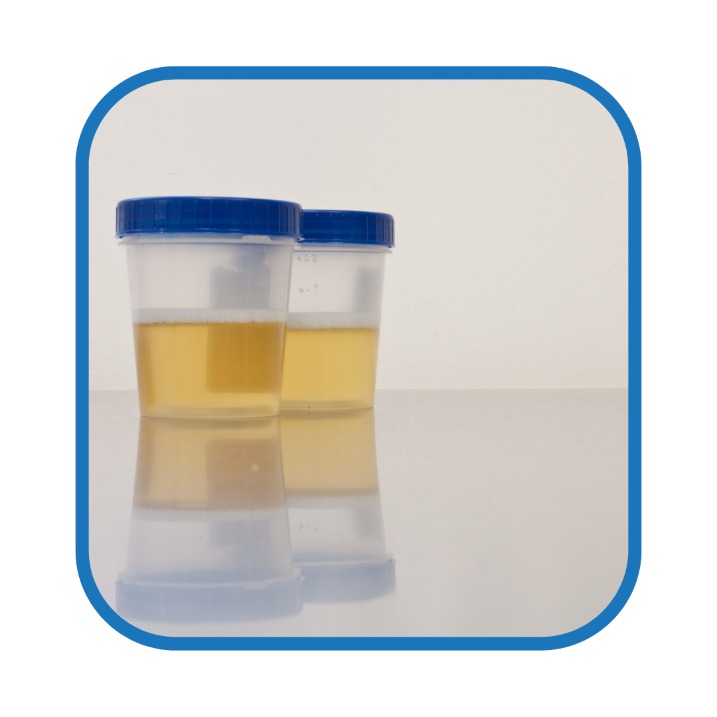
In Canada, Humphry Osmond and Abram Hoffer completed LSD studies as early as 1952.331 By the 1960s, controversies surrounding “hippie” counterculture began to deplete institutional support for continued studies. On the other hand, blotters without art may be considered safer by some, since there is no guarantee that the printer ink used in clandestine production is edible or non-toxic for long-term exposure, and it is also possible for unscrupulous dealers to mimic reputable blotter art designs in order to boost sales. The concentrations of LSD in urine samples were followed over time at various temperatures, in different types of storage containers, at various exposures to different wavelengths of light, and at varying pH values. These studies demonstrated no significant loss in LSD concentration at 25 °C for up to four weeks. After four weeks of incubation, a 30% loss in LSD concentration at 37 °C and up to a 40% at 45 °C were observed.
Since LSD is not an approved drug, its therapeutic applications are regarded as experimental. In the 1960s LSD was proposed for use in the treatment of neuroses, especially for patients who were recalcitrant to more conventional psychotherapeutic procedures. LSD also was tried as a treatment for alcoholism and to reduce the suffering of terminally ill cancer patients. It was studied as an adjunct in the treatment of narcotic addiction, of children with autism, and of the so-called psychopathic personality. None of those uses were successful by the early 1990s, and most researchers concluded that there was no clinical value in the use of LSD.