
Most weight loss supplements contain a modified form of phenylethylamine as an aid to boost focus, increase energy and control weight (x, x, x). Phenylethylamine supplements have been linked to an increase in serotonin and dopamine in the brain, which may improve mood. Studies show that patients diagnosed with depression often have lower levels of phenylethylamine. Therefore, increasing those levels with a PEA supplement can help reduce depressive symptoms.
Phenylethylamine is a naturally occurring compound found in many foods, such as chocolate, cheese, and wine. It is also produced in the human body and is believed to play a role in regulating mood and behavior. If you’re someone who has been exploring the world of nootropics or supplements, then you may have come across phenylethylamine.
- In one study, 14 patients suffering from severe depression consume up to 60 mg a each day Phenylethylamine (PEA) together with the dosage of 10 mg selegiline (L-Deprenyl) for up to 50 weeks.
- It is currently the second leading cause of disability in the age group of 15 to 44.
- In the self-administration test, β-PEA significantly enhanced self-administration during a 2 h session under fixed ratio (FR) schedules (FR1 and FR3) and produced a higher breakpoint during a 6 h session under progressive ratio schedules of reinforcement in rats.
- For amperometry recordings, we used the BY250 strain (gift from Dr. Blakely, Vanderbilt University) expressing cytosolic GFP under the control of the dat-1.
- Most medication that is currently available is about 80% effective for those suffering from depression (Voinov, 2013).
Electrodes were placed in proximity to an isolated dopaminergic neuron expressing cytosolic GFP. Earlier this year, Narciso M. Garrido and colleagues at the University of Salamanca (Spain) published a review of 2-phenylethylamines in medicinal chemistry. Their article focused on open-chain, flexible derivatives such as the catecholamines dopamine, epinephrine (adrenaline), and norepinephrine, compared with constrained polycyclics such as morphine and berberine.
Side Effects
There’s also growing interest in understanding how PEA interacts with other neurotransmitter systems and how it might be combined with other compounds to enhance its therapeutic potential. The role of PEA in various neurological and psychiatric conditions has been a subject of growing interest in the scientific community. Research has shown that PEA levels may be altered in certain conditions, potentially contributing to or reflecting underlying neurochemical imbalances. Recent literature focuses on the biological synthesis of PEA, rather than the chemical one. 1-phenylethylamine can be synthesized by Escherichia coli overexpressing ω-transaminase (Cardenas-Fernandez et al., 2012).
1 Chemical Properties Of PEA
Too much PEA can cause irritability, nausea, amplified heart rate, jitteriness, and could be extremely dangerous. Do not use Phenylethylamine (PEA) if you are using a prescription MAOI like Marplan, Nardil, Azilect or Parnate, or have used one in the last 14 days. So if you are ADHD and crave chocolate, it’s likely because cocao supplies PEA. The sustained antidepressant effect of Phenylethylamine (PEA) may be an alternative to SSRIs. If you’re ADHD or ADD, you should see an improvement in mood, attention span, focus and mental clarity. Not quite the same effect you’d get from something like Adderall but with a side benefit of more sociability.
The Chemistry And Biology Of Phenylethylamine
Its relationship with these neurotransmitters is complex and multifaceted, often acting as a neuromodulator that enhances or prolongs their effects. This intricate dance of molecules sets the stage for PEA’s profound impact on our mood, cognition, and behavior. A common disease that an estimated 4-9% of young children suffer from is attention deficit hyperactive disorder (ADHD) (reviewed by (Cormier, 2008). ADHD is a chronic child hood disorder which is characterized by a number of behavioral symptoms, including a small attention span, increased frustration, distractibility, and often depression and anxiety (American Psychiatric Association, 2000). ADHD often is paralleled by co-existing psychiatric disorders and patients can have problems that are attributable to ADHD way into their adulthood (Brassett-Harknett & Butler, 2007).
1 Acute Β-PEA Significantly Increased Circling And Head-Twitching Behaviors In Mice
The naturally-occurring (-)ephedrine (53), the most potent of the phenylpropanolamines as a central stimulant, is several times less potent than amphetamine or methamphetamine. Glaucoma is a leading cause of blindness, and this has been related to increased intraocular pressure (IOP). Reduction of IOP is an effective treatment for glaucoma but some patients are refractory to current therapies. Investigators at Alcon Research identified 5-HT2A receptors in ocular tissue and demonstrated that topical administration of R(-)DOI, a potent 5-HT2 receptor agonist identified by us, produced a significant decrease in IOP in cynomolgus monkeys. In a collaborative effort with Alcon, our research goal was to identify a novel 5-HT2 serotonin receptor agonist with reduced lipophilicity so that it would not readily penetrate the BBB to produce untoward (i.e., hallucinogenic) side effects. We selected a high-affinity/high-efficacy 5-HT2 serotonin receptor agonist (i.e., DOB) and attempted to reduce its lipophilicity.
7 Blockade Of DAD1R Attenuated Acute Β-PEA-Induced Circling Behavior In Mice
- Phenylethylamine (PEA) is a hormone-like substance that occurs naturally in your brain and body.
- For those looking to give their workouts an extra boost or get an extra edge on their weight loss efforts, PEA supplements can be a reliable option.
- Several naturally occurring alkaloids, i.e., morphine, (S)-reticuline or berberine, embedded in the 2-phenethylamine unit form more complex cyclic frameworks derived from its natural biosynthetic pathways (Figure 1).
- The reaction occurs at 13.9 Mpa and 130°C under hydrogen, the cooled down liquid is removed from the catalyst by filtration.
Previous studies demonstrated that βPEA is synthetized in neurons that also contain tyrosine hydroxylase and coexists with dopamine (DA) in the nigrostriatal brain regions (Juorio et al. 1991). In striatal tissue, βPEA synthesis occurs with a rate similar to that of DA, but since it is more efficiently metabolized by monoamine oxidase enzymes, striatal βPEA concentrations are about three orders of magnitude lower than DA levels (Paterson et al. 1990). These data suggest that it is crucial the DA neurons keep low concentrations of βPEA to guarantee a proper physiological activity. In fact, changes in urinary βPEA levels have been documented in various human disorders including schizophrenia, attention deficit hyperactive disorder (ADHD) and depression (Baker et al. 1991, O’Reilly and Davis 1994, Sandler et al. 1980).
Is It True That Chocolate Is Full Of PEA?
Introduction of other simple substituents enhance its lipohilicity to increase its BBB penetrability, or alter its actions. For example, appending an α-methyl group to PEA (1) leads to the phenylisopropylamine stimulant amphetamine. Then, structural alteration of the amphetamine structure leads to a host of other actions. Introduction of certain aryl substituents converts amphetamine to classical hallucinogens that act via a 5-HT2 receptor agonist mechanism, whereas other substituents result in 5-HT2 receptor antagonists.
The acylated standards, controls, and samples were pipetted into the appropriate wells of the DA microtiter strips and incubated with DA antiserum for 30 min at room temperature on a shaker. The conjugate was added to all wells and incubated for 15 min, and the wells were washed. After 3 washes for 10 min, the stop solution was added into the wells, and then the absorbance was measured at 450 nm in a GloMax microplate multimode reader (Promega, Madison, WI, USA). Β-PEA and a DAD1R antagonist, SCH23390, were purchased from Sigma-Aldrich (St. Louis, MO, USA). The intraperitoneal (i.p.) injection for SCH23390 was determined based on a previous study 63. For self-administration studies, a working solution of saline or β-PEA was filtered through a syringe-mounted 0.22-µm Minisart® Syringe Filter (Sartorius Stedim Biotech, Goettingen, Germany) immediately before use.
This is the way that drugs such as the methylphenidate help to increase dopamine levels. A study conducted in 2008 revealed that PEA affects serotonin transporters through interactions with receptors for TAAR. The increase in serotonin levels is due to the inhibition of their reuptake, just like the prescription SSRIs. When it is working according to the plan, PEA and other trace amines can prevent metabolic dysfunction and neurological disorders. Phenylethylamine (PEA 2-phenylethylamine (b-phenylethylamine Phenethylamine,) is a trace amino acid. The brain naturally transforms the amino acid L-Phenylalanine to Phenylethylamine (PEA).
III PEA And Other Amines In Food
Specifically, 1 kg of benzyl cyanide is mixed with 1 tablespoon of the Raney-Nickel catalyst in a calorimeter bomb. The formation of secondary amines in this reaction is reduced by the addition of ammonia. The reaction occurs at 13.9 Mpa and 130°C under hydrogen, the cooled down liquid is removed from the catalyst by filtration.

Phenylethylamine dosage recommendations depend on your current health, body size and medical history. Start with a low dose, and work your way up to a higher dose if you require more to feel any effects. While small amounts of PEA are found in some foods, taking PEA supplements is the best way to increase levels. Even so, some experts think that supplementing may not have significant effects, due to how this compound is rapidly broken down into inactive components.
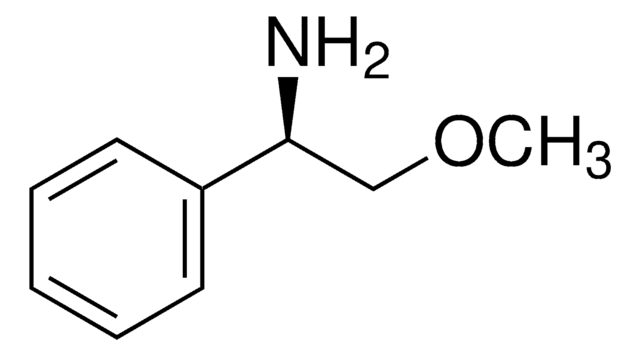
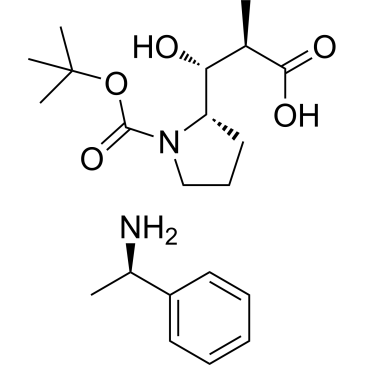
Romantic love is a subject of endless fascination, but it is also sometimes seen as a bit of a frivolous topic for research. That academic ambivalence can lead to frustration when trying to find good information about the neuroscience that underlies passionate love and infatuation. (R)-(+)-1-Phenylethylamine is a chiral amine used for the determination of the enantiomeric purity of acids.