It’s a place where activists fighting for freedom and criminals exploiting vulnerabilities can coexist—sometimes on the same platform. Likewise, whistleblower platforms like SecureDrop are designed specifically for the safe and anonymous submission of sensitive documents to investigative journalists. The dark web hosts a wide array of content—some of it perfectly legal, some ethically gray, and some outright illegal. However, there are also some perfectly reasonable and legitimate uses too. Journalists and activists often use the dark web to communicate securely with sources and work around censorship imposed upon them by tyrannical regimes.
- To reach Geekflare.com, you can either type its URL in your standard web browser or search for Geekflare in your favorite search engine.
- Therefore, it’s likely that not all deep- and dark-web file repositories represent good intentions.
- However, certain activities, like purchasing illegal items or engaging in prohibited activities, are punishable by law.
- Law enforcement authorities monitor the dark web and conduct sting operations in marketplaces and forums to catch cybercriminals.
- But if you must visit the dark web for ethical reasons, here are some safety precautions.
- To learn more, check out our guide to the best VPN server countries to connect to.
From Code To Conversation: How Social Engineering Powers Modern Cyberattacks

The dark web news site Deep.Dot.Web teems with stories of buyers who have been arrested or jailed for attempted purchases. The dark web has flourished thanks to bitcoin, the crypto-currency that enables two parties to conduct a trusted transaction without knowing each other’s identity. “Bitcoin has been a major factor in the growth of the dark web, and the dark web has been a big factor in the growth of bitcoin,” says Tiquet. Many dark websites are set up by scammers, who constantly move around to avoid the wrath of their victims.
Anonymity on the dark web can be both a blessing and a curse, enabling users to protect their privacy while also providing cover for those engaging in criminal activities. While these parts of the internet are not openly visible to the public, they are completely legal and used by millions daily for various personal and professional tasks. There’s no reason to have them show up in search engine results pages (SERPs). It also allows secure communication and confidential information sharing without surveillance risks in sensitive situations.

Protect Yourself With Proton
However, it also serves vital roles in protecting free speech, aiding in secure communication for dissidents under oppressive regimes, and allowing cybersecurity professionals to conduct anonymous research. The dark web is a network of hidden websites and services that operate on specialised software and protocols, such as the Tor browser. These websites and services are typically identified by their unique .onion domain extensions, designed to conceal the actual location and identity of the website’s operators.
Tools To Monitor Dark Web Activity
This is why, despite the protections already in place, investing in one of the most private VPNs is crucial before heading onto the dark web. In addition to the Tor browser itself, the VPN will help to anonymise you further, hiding your use of a Tor from your internet service provider. This also means that many files and links can put you at risk of installing malware on your device that will steal your personal information, lock you out of your data, or monitor your activities. There are also lots of people who just appreciate the privacy that the dark web offers. A lot of its users are simply looking to avoid the website-to-site tracking that occurs on the main section of the internet.
Scams And Fraud
And instead of Google Docs, you can use Docs, our online document editor built into Proton Drive. Our Google Docs alternative provides real-time collaboration features, version history, and more. Recently, more people are becoming aware of the actual price you pay for supposedly free services and looking for alternatives.

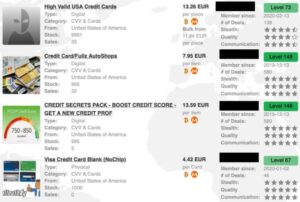
Everything else, from academic journals to private databases and more illicit content, is out of reach. Cybercriminals use this data to commit identity theft, fraud, and other malicious activities. Notable breaches, such as those affecting Equifax, LinkedIn, and Marriott, exposed millions of users’ information, which quickly circulated on the dark web.
We’ll also look at how it differs from other parts of the internet, such as the Deep Web, and whether using it is illegal. A $5.2 billion Dark Web marketplace known for laundering cryptocurrency and illegal transactions. The first major Dark Web marketplace, used for drugs, fake IDs, and hacking tools.
- The dark web has a well-deserved reputation for harboring criminal activity.
- The dark web also hosts legitimate marketplaces for legal goods and services, including books, art, and other niche products that may not be readily available through traditional channels.
- The more your team understands what’s out there—and how to access it responsibly—the more effective you can be in identifying threats, protecting people, and stopping harm before it reaches the surface.
- Some popular options are surface web search engines that are compatible with the dark web; other dark web search engines work exclusively on Tor browser.
- Many high-profile arrests have been made thanks to undercover operations, honeypots, and the tracking of cryptocurrency transactions.
- The dark web’s origins are often traced back to March 20, 2000, with the launch of Freenet, a peer-to-peer sharing network designed to prioritize anonymity.
Accessing The Dark Web: Tools And Techniques

Stolen personal and financial information is frequently bought, sold, and exploited in illicit marketplaces on the dark web. In a corporate security breach, cybercriminals can gain access to vast amounts of sensitive data, including usernames, passwords, Social Security numbers, and credit card details. Cyber criminals purchase this information for use in identity theft, financial fraud, and phishing attacks. Instead, it encompasses all content on the internet that is not indexed by traditional search engines, making it inaccessible through simple search queries. This includes private databases such as academic journals’ archives, government records, healthcare portals, and even personal email accounts. Looking ahead, it is likely that law enforcement efforts to combat illegal activities on the dark web will continue to evolve in response to emerging threats and technological advancements.
Keep Your Data In The Dark — And Off The Dark Web
Tor websites are located at this far end of the deep web, which are deemed the “dark web” and are only accessible by an anonymous browser. The Internet is sizable with millions of web pages, databases, and servers all run 24 hours a day. But the so-called “visible” Internet (aka surface web or open web) — sites that can be found using search engines like Google and Yahoo — is just the tip of the iceberg. Due to the lack of oversight, the dark web is notorious for hosting malicious software and distributing it through various channels. A 2020 study found that more than 60% of dark web listings related to malware were tied to ransomware, Trojans, and other forms of cyber threats.

Using a VPN alongside Tor adds an extra layer of security by hiding your IP address from Tor entry nodes and encrypting your traffic. This prevents anyone—including your ISP—from knowing that you’re using the Tor network. While Tor lets you reach .onion sites, many require invitations, passwords, or verification. When you visit dark web sites, even if you don’t have any ill intentions, you support the dark web ecosystem, which serves as a medium to conduct various illegal activities.
How To Access The Dark Web: Other Types Of Tools And Encryption
There are several whistleblower sites, including a dark web version of Wikileaks. Pirate Bay, a BitTorrent site that law enforcement officials have repeatedly shut down, is alive and well there. If you want to learn all about privacy protection or cryptocurrency, the dark web has plenty to offer. There are a variety of private and encrypted email services, instructions for installing an anonymous operating system and advanced tips for the privacy-conscious. Law enforcement officials are getting better at finding and prosecuting owners of sites that sell illicit goods and services.
Law enforcement agencies and cyber threat intelligence specialists also use the dark web. The deep web refers to any web content that is not indexed or pages that can’t be found with a search engine. Examples of the deep web include any websites that are behind a paywall or require login credentials. Most internet users access the deep web several times a day to perform common tasks, such as checking email, accessing a bank account, or reviewing health or school records. The deep web constitutes over 90% of online content and is inaccessible via search engines. With rising curiosity around hidden corners of the internet, many professionals wonder, “how to access the dark web” safely.
However, engaging in criminal activities on the dark web can lead to serious legal consequences. Law enforcement agencies like the FBI, Europol, and Interpol actively monitor and shut down illegal activities on the dark web. In 2004, The Onion Router code was released under a free license, and in 2006 the not-for-profit TOR Project was created. Dissidents, activists, journalists began to use TOR to communicate while protecting identities. However, criminals also began using it and the dark web for illegal activities. Once a user installs a dark web browser on a device, it functions like a regular browser.
Every communication is encrypted, so even the simplest transaction requires a PGP key. All this activity, this vision of a bustling marketplace, might make you think that navigating the dark web is easy. The place is as messy and chaotic as you would expect when everyone is anonymous, and a substantial minority are out to scam others.